Design as Cultural Criticism: Why It's Important but Missing in Our Day
When you walk through the world's major design stages—whether it's the giant Milan Design Week, the increasingly influential 3daysofdesign in Copenhagen, or the growing number of emerging design festivals—you'll notice that most exhibitions are around the same familiar narratives: better functionality, more innovative forms, more sustainable materials, and the revival of craftsmanship. By the end of your visit, you'll probably run into some same global brands over and over again, reminding you that in an age of globalization, even your desires have become globalized. Everywhere you go, someone is trying to sell you something.

Have you ever been tired of this narrative? Products become more sustainable, more refined, more ergonomic. Brands continuously introduce new materials, new finishes, new colors, and new collections. Designers, as one part of this mechanism, are expected to keep producing new forms. Exhibitions promise ever-new visions of future living, while the media constantly creates stories around the latest releases. "Newness" has become the only measure of value.
As a result, design has become increasingly effective at producing desire, but less capable of offering us new ways of seeing the world. It rarely asks us to pause and question why we design like this. Design interweaves almost every aspect of our lives—from everyday objects to the spaces we inhabit. It shapes our habits, desires, and judgments, yet these very influences are rarely questioned. Design has become exceptionally good at eliminating friction, but in doing so, it also removes those moments of discomfort that invite reflection.
We tend to assume that art naturally possesses the legitimacy to express and critique culture. Design, on the other hand, is often understood primarily as a commercial product, its cultural significance overshadowed by its functionality, practicality, and market value. Yet precisely because design is not something hanging on a gallery wall, but something we wear, sit on, touch, and move through every day, it possesses a unique form of agency that art cannot easily replace. Design shapes not only our lives but also our bodies, It determines how we sit, how we move, and even how we become aware of ourselves. And cultural criticism emerges precisely at that moment—when design suddenly makes us conscious of our own bodies, and the invisible power structures, social norms, and cultural habits that have always surrounded us.
In 1969, British artist Allen Jones created a series of furniture pieces based on the female body. His women appeared in highly sexualized poses, wearing wigs, corsets, gloves, and leather boots. The works immediately sparked controversy, with feminist critics condemning them for objectifying women. In the same year, Gaetano Pesce designed his iconic UP5_6 chair. Its oversized body, exaggerated breasts and hips inevitably evoke prehistoric fertility figures, but the most significant element is the spherical ottoman attached by a cord—a reference to the iron ball chained to a prisoner's ankle. As Pesce himself explained, "Women are prisoners of themselves."
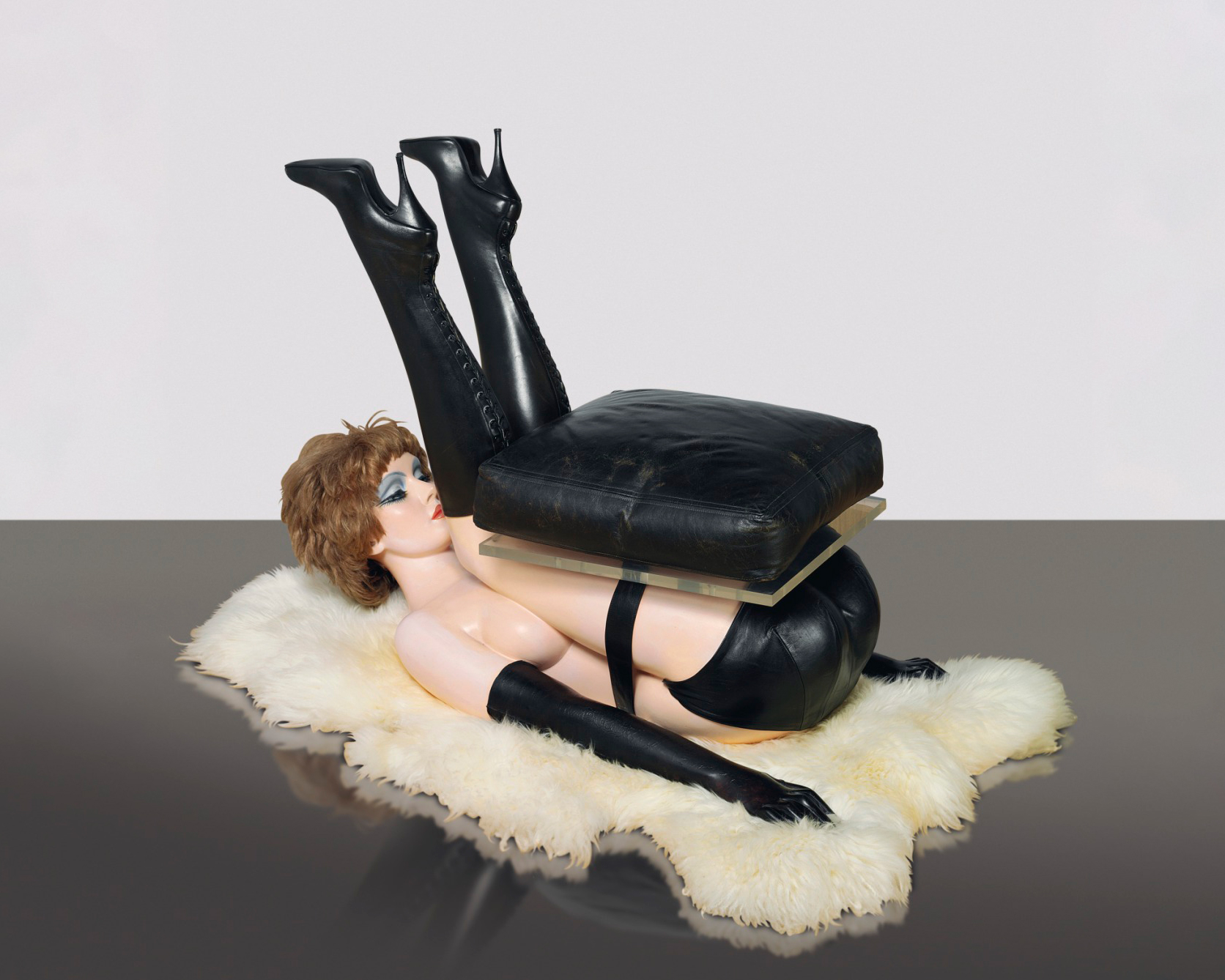
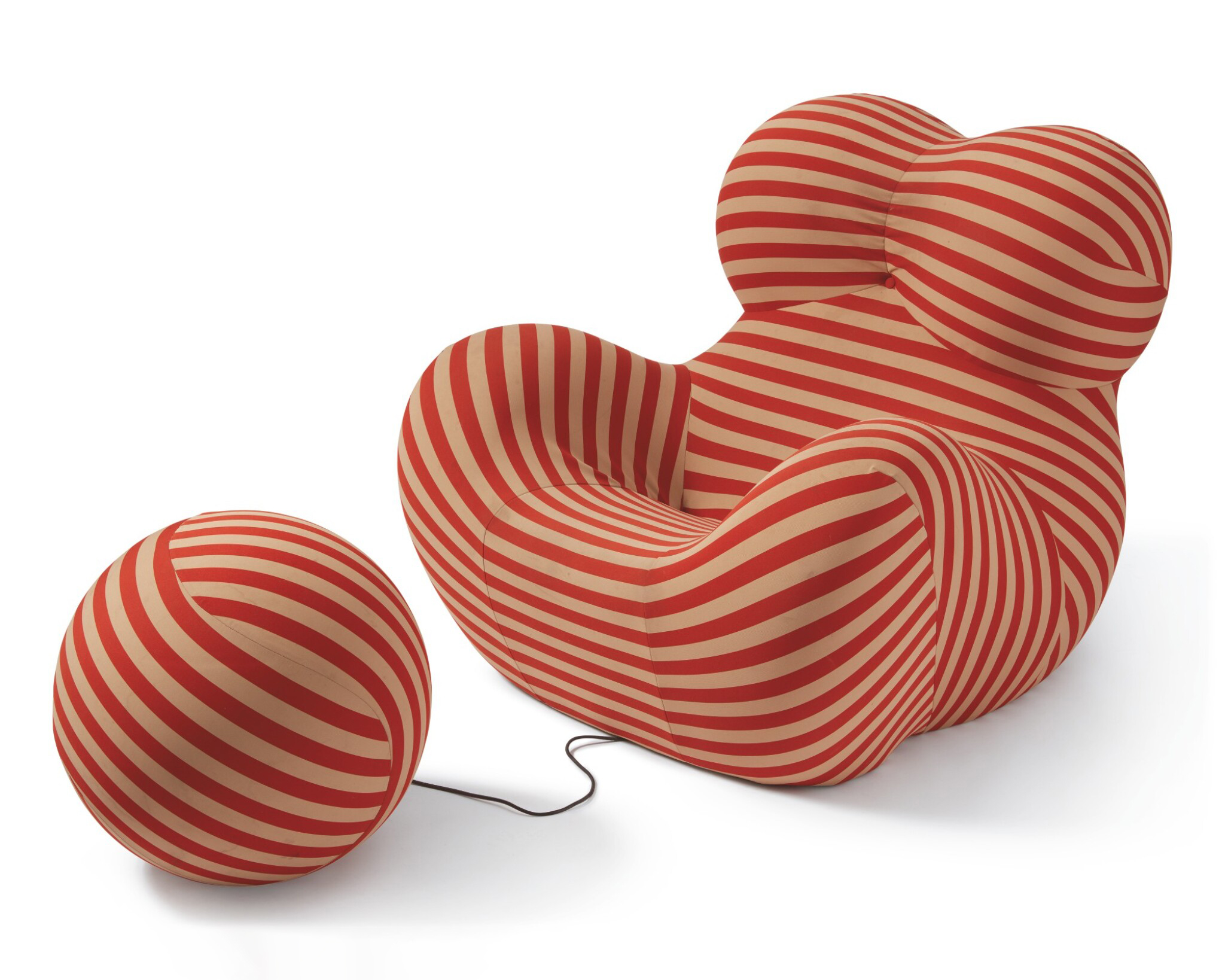
Who exactly fastened that chain has already been debated extensively by generations of scholars. That, however, is not the focus here. What interests me is that both Allen Jones and Gaetano Pesce transform the interaction between body and object into something that exceeds function. Physically speaking, the act of "sitting" inherently embodies relationships of top and bottom, primary and secondary, as well as carrier and carried. Once the female body becomes the chair itself, sitting acquires an political dimension—a bodily performance of power, objectification, and consumption. More importantly, these works do not communicate their critique through text or theory. Instead, they reveal hidden gender hierarchies through bodily experience. The audience feels the tension simply by imagining or performing the act of sitting. Meanwhile, because the chair remains a piece of furniture—a product that can be manufactured, sold, and purchased—it enters the logic of the marketplace itself, adding another layer to its cultural critique.
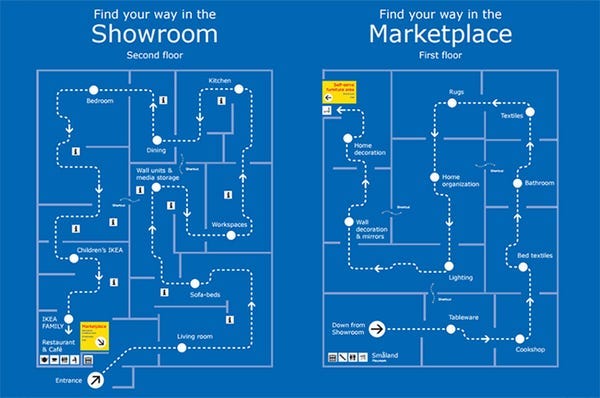
Unlike objects, space rarely presents itself as an object. We can touch, buy, and own things, but we rarely become aware of the spaces we occupy. Precisely because space functions as a background, we often overlook its continuous influence on our bodies, behaviors, and perception. Take IKEA as an example. Its stores are organized into clearly defined functional zones. Visitors move through showrooms, furniture displays, home accessories, self-service warehouses, and finally arrive at the checkout. The entire journey requires almost no conscious decision-making. No one will question the route or wonder whether another path is possible, because every step has been carefully designed according to consumer psychology. Through one-way circulation, changing scenes, and carefully managed information density, IKEA minimizes every possible friction in the shopping experience, transforming a weekend visit into a seamless combination of shopping, dining, leisure, and entertainment.
In most cases, we expect space to be efficient, rational, and easy to understand. Good spaces make us feel comfortable and reduce physical or psychological discomfort. Yet this pursuit of functionality often prevents us from realizing that space does more than accommodate behavior—it actively organizes and even manipulates it. This is precisely where Gregor Schneider's Haus u r becomes fascinating. It transforms space from an invisible background into a tangible presence. Inside an ordinary house, familiar spatial logic begins to collapse. Rooms are duplicated inside other rooms. Doors lead nowhere but walls. Light entering through windows comes not from outside but from artificial illumination. Ceilings and partitions move almost imperceptibly. You hesitate, pause, become anxious, perhaps even frightened. Suddenly you realize that your body has always been guided by space, your movements shaped by the routes, and your choices conditioned by the environments around you.
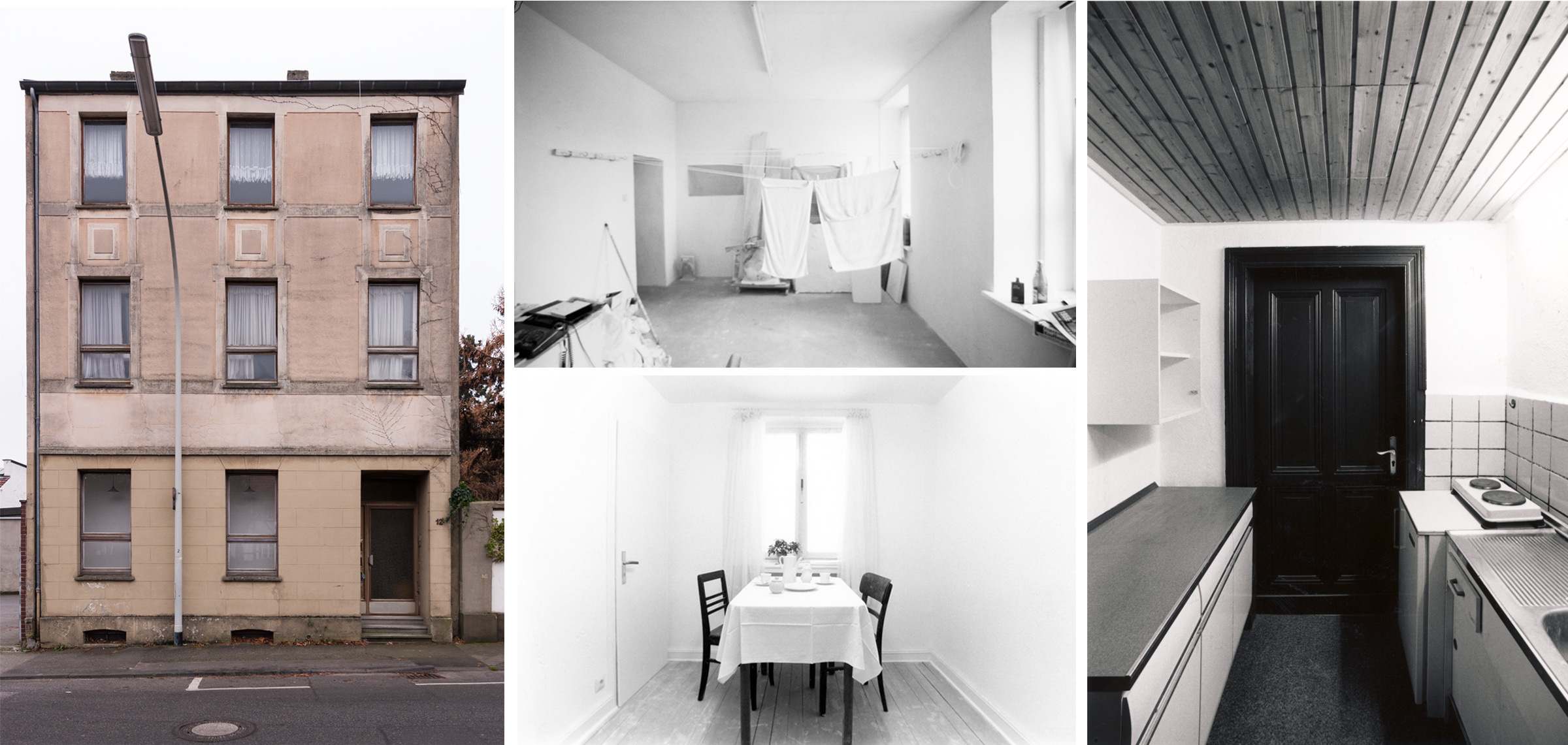
This brings us to a final question: When do we become aware of our own bodies? Most of the time, we don't. Our bodies remain transparent until they are restricted, exposed, or reorganized.
In the 18th century, women wore corsets because society demanded it. Upper-class women were expected to appear elegant, move slowly, and distinguish themselves from the working class. Corsets shaped upright posture, narrow waists, and elevated busts while simultaneously turning the body into a site of social discipline and patriarchal expectations. Yet corsets did not disappear with the rise of feminism. Throughout the 20th century, designers such as Alexander McQueen, Jean Paul Gaultier, and John Galliano reintroduced them into contemporary fashion, giving them entirely new meanings. Today, people voluntarily wear corsets, allowing their bodies to experience restriction and pressure for reasons very different from two centuries ago. They may be expressions of fashion, subcultural identity, explorations of gender fluidity, or declarations of bodily autonomy. With every breath and every movement, the body once again enters consciousness. In those moments, Hegel's words seem newly relevant: "Living beings have the privilege of feeling pain."
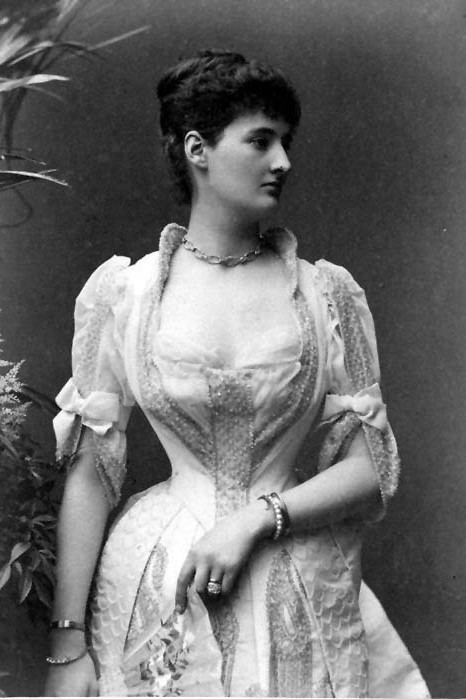
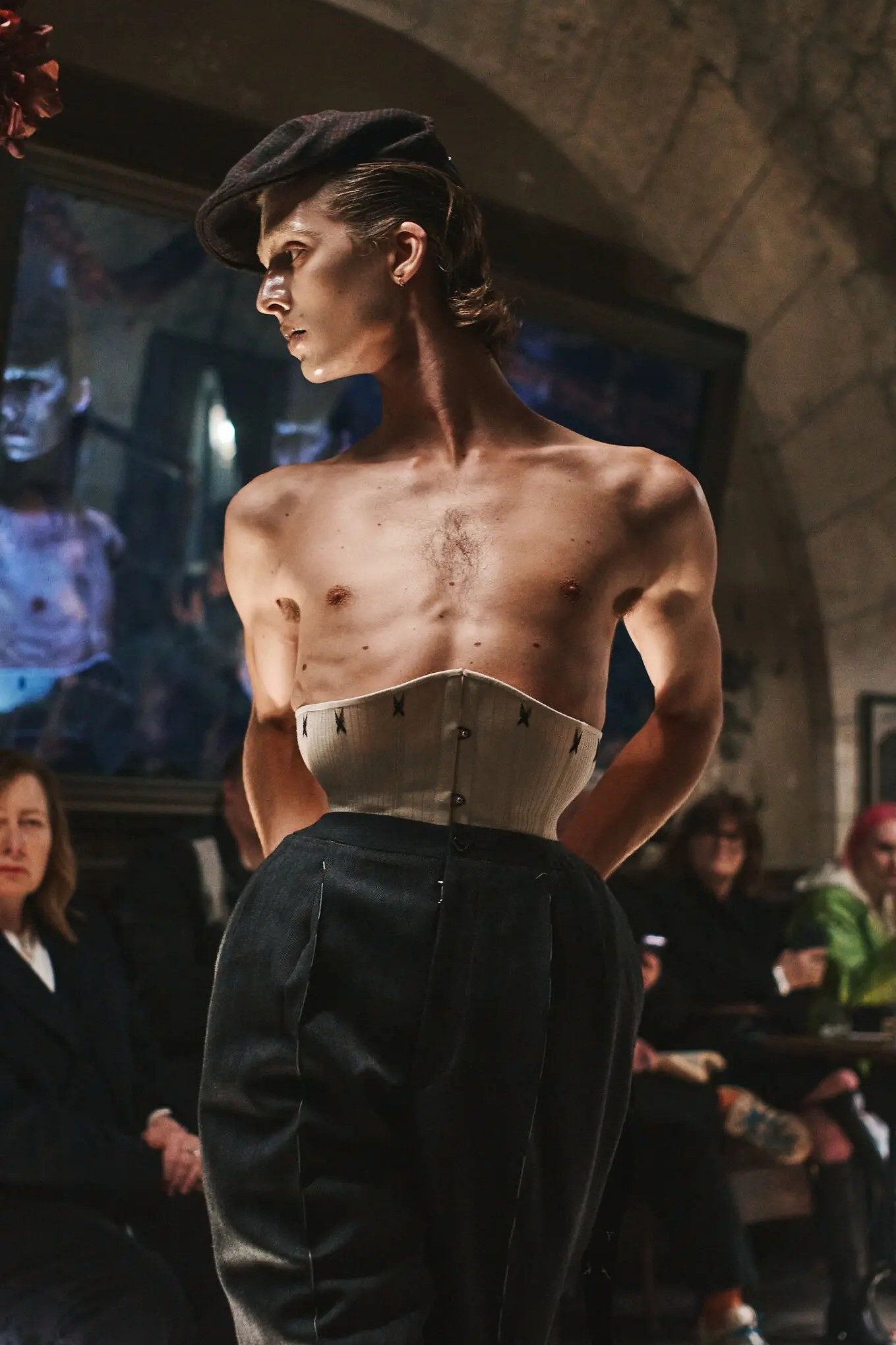
When the body re-enters consciousness, meaning emerges. Allen Jones and Gaetano Pesce remind us that sitting is never merely a physical action. Haus u r reminds us that movement is never entirely free. Corsets remind us that our bodies have never simply belonged to us; they have always been shaped by society. At a time when design increasingly pursues seamless experiences, frictionless interactions, and instant satisfaction, perhaps what we need is another kind of design. One that does not simply generate desire, but interrupts it. One that, even if only for a brief moment, makes us aware of our bodies, our surroundings, and ourselves—offering not another product, but another way of seeing the world.
***
How Engineering Training "Shapes" My Creative Work—Writing Into Uncertainty
When I came up with this title, I knew it would be a story of 刻舟求剑("Carving a mark on the boat to find the sword.")—an attempt to forcefully turn an experience of career-switching into an inspiring, aspirational tale. To illustrate the importance of multidisciplinary cultivation, I would probably also have to mention skills like systematic thinking and rigorous methodology instilled by an engineering education, just to show how these very abilities allowed him to gain a foothold in the creative industry.
I spent ten years in engineering — learning foundational theory, dipping into research, then working on large-scale bridge projects. Later I came to Italy alone to study, and in just a few years made the transition from complete outsider to someone recognized within the creative industry. Before this, I knew virtually nothing about the design industry—although art, music, and architecture had always been my favorites, design to me was merely an extension of architecture, something I noticed in passing when looking at architecture, and nothing more. So, how exactly did someone with no formal training and no background in design master the software skills and abilities required for design, and produce works that attracted commercial interest from companies?
The turning point traces back to an afternoon in 2014. I was sitting restlessly at my desk, worrying about my next step. Should I pursue a PhD and walk the academic path until the very end, or should I enter a design institute or a company like everyone else and become a corporate drone? Neither path was what I wanted. At that time, I was envisioning a third path: combining art and engineering to take a compromise route. I once discussed this idea with my supervisor, and he said: "Since building houses and bridges, like creating art, is about creating things that do not exist in the world, why can't engineering be art?" This suddenly brought me enlightenment, so I looked for possibilities to combine the two even more diligently.
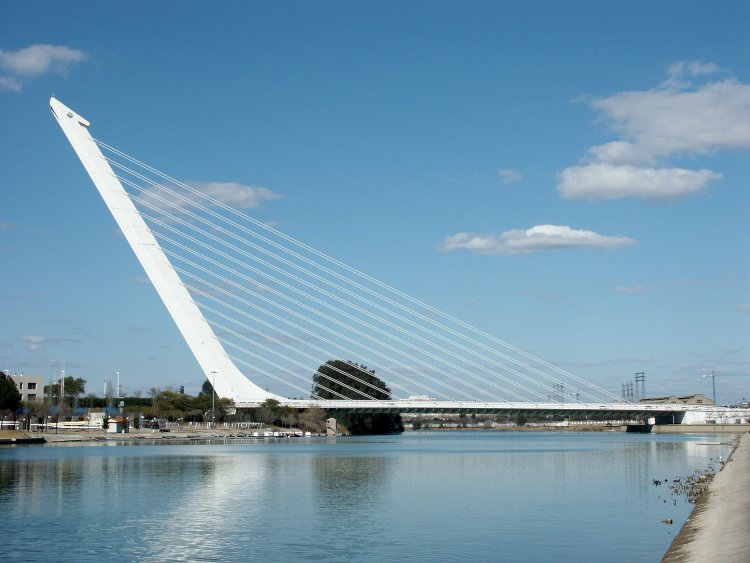
Until one day, I saw the Alamillo Bridge—a cable-stayed bridge without a back-stay—designed by Santiago Calatrava for the 1992 Seville Expo in Spain. I had no idea a bridge could be built like that. The pylon drives into the riverbank at a dramatic angle — like a shot arrow that will never return — held in tension by cables that force it into a precarious equilibrium with the deck, as if in the next moment the cables might snap and the whole structure collapse. I was immediately and deeply moved by this thing I had never seen before. At the same time, Calatrava, as an architect, held a PhD in structural engineering. That crossing of disciplines showed me a possibility I had never considered.
With a direction in mind, I began to act. I started searching for a way to quickly understand the discipline of architectural design, and discovered a summer school program at the Southern California Institute of Architecture (Sci-Arc), so I applied and went. Looking back now, the two months there were fulfilling and happy, but what benefited me the most was learning about one of the industry's most popular design software programs: Rhinoceros. In the years that followed, I spent a massive amount of time learning and perfecting this software. It dominated my software usage for all projects over the next ten years, and to some extent, even shaped my formal language. I wonderfully discovered that this method of using lines to push, pull, and sweep to generate surfaces followed the exact same logic as the deduction of moldings in classical architecture hundreds of years ago. "Tools shape people"—this judgment, which sounds a bit techno-centric, has been proven true once again in the era of AI.
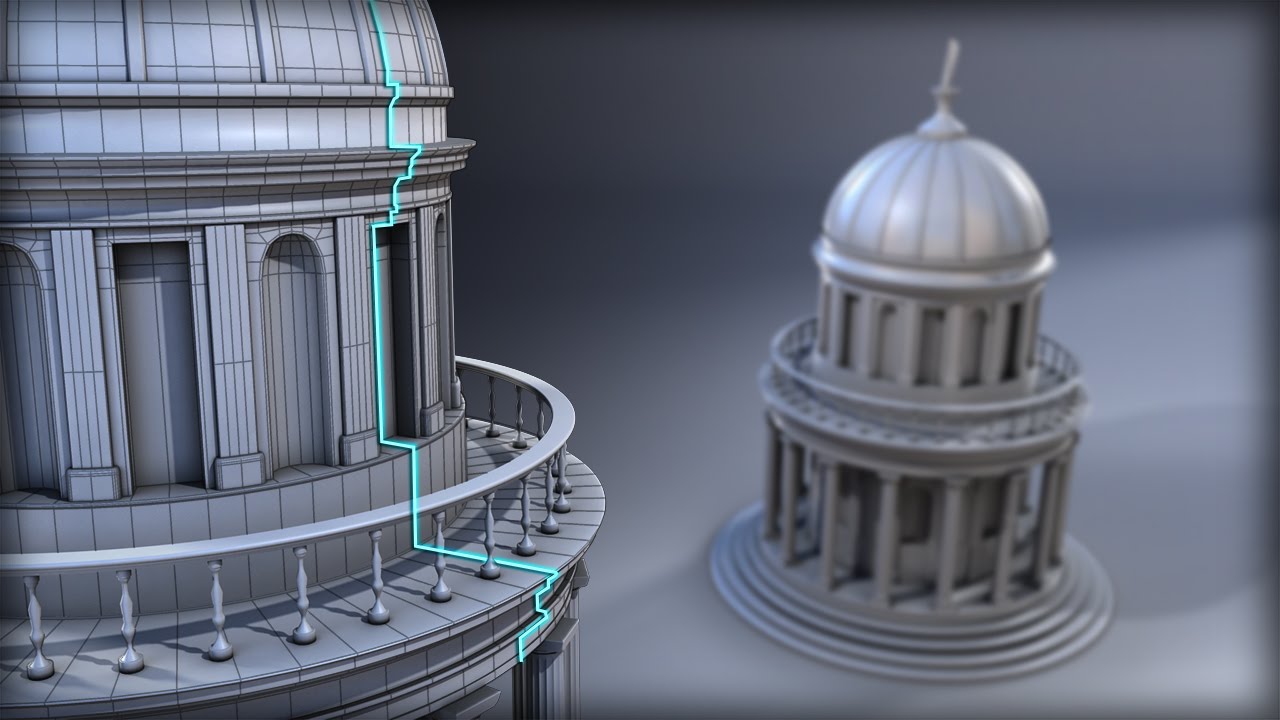
If technical tools gave me the ability to transform abstract concepts into concrete forms, then on a conceptual level, few things have given me such long-lasting influence as David Billington's book, The Tower and the Bridge. I often think of the "Three Es" he proposed in the book: excellent structures should satisfy Elegance, Economy, and Efficiency. Although I do not take them as an absolute dogma, he reminded me of the complexity of creative activities and the need to be inclusive. This is perhaps why I am so sensitive to hexagonal modules—because they combine economy and efficiency, while remaining formally flexible (as in my collections Cadenza and Gemini, whose formal languages are entirely different from each other). For the production end, it is a closed system, but for the consumption end, it is an open system.
 and Gemini (right).jpg)
It was precisely this logic — at once closed and open — that ultimately won the attention of Italian brands. So my obsession at the time—that idea of trying to forcefully combine art and engineering—was actually a kind of being too deeply obsessed. At that time, I always believed that the boundaries between disciplines were clear-cut and unbreakable, and that one could only enter the industry through formal academy. But in reality, all human activity requires both critical thinking and sensibility, and systematic thinking and analytical capacity. They are inherently an organic whole. It is just that the division of labor in modern society specializes everyone to fit the needs of social production— and our universities have inherited that logic from the start, emphasizing the training of professionals. But the age of artificial intelligence has made knowledge and skills that once required a university education immediately accessible, and has substantially undermined the university's authority as a temple of knowledge. As a means of learning, formal schooling is no longer necessary. AI is dissolving the boundaries between disciplines. What matters more is knowing yourself—knowing what fascinates you, what problems are worth investing your time in, and what kind of lifestyle and working style truly suits you. Compared to knowledge itself, these things determine where a person will ultimately go.
So looking back now, the title How Engineering Training Shapes My Creation is actually built on a premise that does not exist—as if engineering and creation originally belonged to two isolated worlds, requiring the search for some kind of bridge to connect them. But "profession" remains one of the most important labels we carry as social beings, the most convenient entry point through which others can locate and understand you. But just like everything else, the labels floating on the surface only account for 10% of the facts, while the remaining part is deeply hidden in daily thinking, work, and slow progress. It is precisely those parts submerged below the surface that ultimately made you who you are today.
***
To Light the Lantern: Power Revealed, Power Concealed — A Reading of Zhang Yimou's Raise the Red Lantern
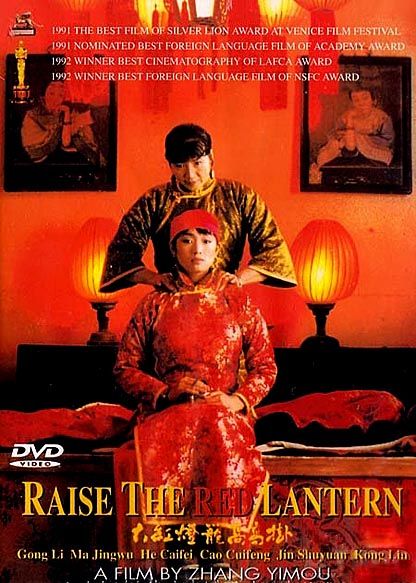
I watched Raise the Red Lantern by Zhang Yimou by chance and found "to light the lantern" particularly interesting. It resonates with a project I am currently developing, which also includes the gesture of lighting a lamp — and we are both using this gesture to symbolize the exercise of power.
I believe every Chinese person, no matter which social class or economic background they belong to, inevitably lives under the veil of power. This is very different from what I have seen in Western society. This does not indicate there is no hierarchy and Informal norms in the Western world, but rather that power is exercised in a different way. In Western democracies, every social issue risks turning into trench warfare, getting bogged down in debate, while in China, policies can often be implemented without visible public opposition. I have no intention here to discuss which is better, but rather to point out the reason behind this phenomenon.
In Western society, power is usually exercised through clearly defined agents — such as governors and members of parliament — and supported by written texts, most importantly laws. Every agent can execute their power, or be questioned over the execution of that power, based on black on white. So inevitably we see members challenging every decision the government makes, because they are empowered to do so, and they can only do so within that framework. If we shift our gaze to China, we can see a comparatively low-text society, which means that black on white is an existing but not a predominant way of doing things.
Zhang Yimou, in this film, employs a distinctly Chinese way to depict the exercise of power — to light the red lantern means to be chosen for the night. This brings me back to what I said at the beginning: Chinese people live under the veil of power, while Western people live under the light of power.
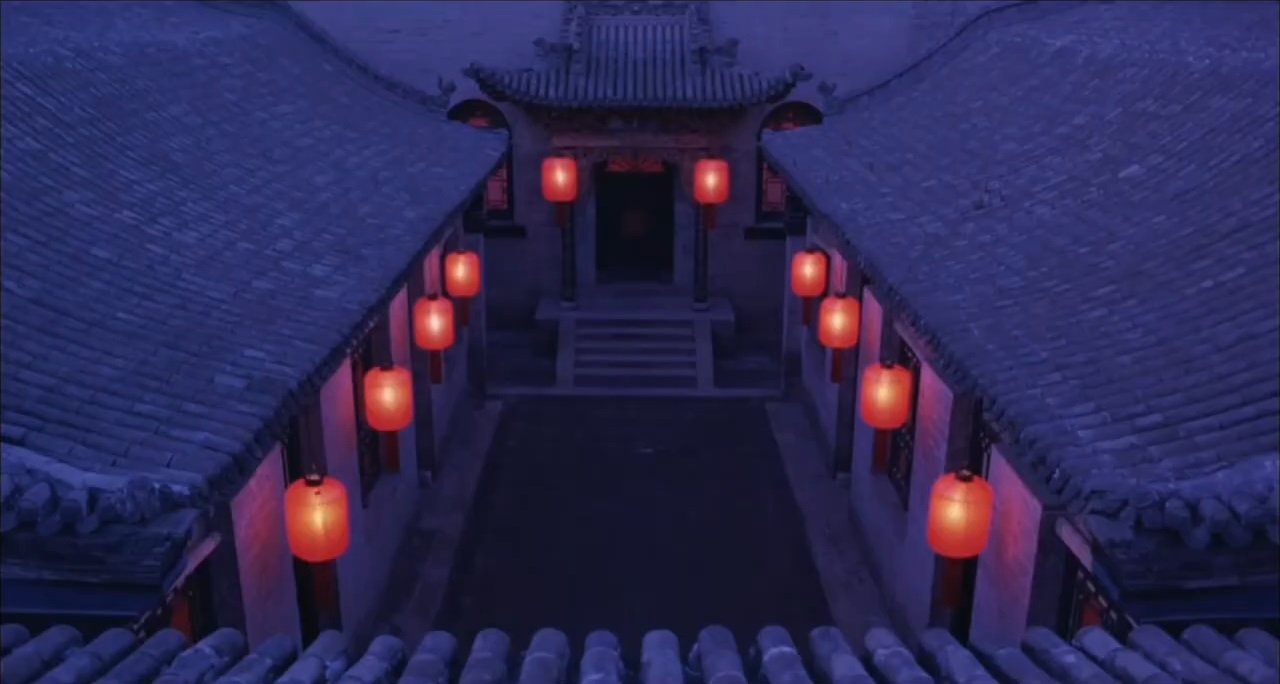
In the film, the authority of the patriarch operates largely under this veil. It is absolute, unquestioned, and conveyed through ritual, hierarchy, and symbolic acts rather than formal laws or open debates. The light of the red lantern makes the patriarch's favor visible while maintaining the invisibility of the power structure itself. Similarly, the absence of any frontal presentation of the patriarch reinforces the impression of a ubiquitous, faceless power — just as the saying goes: power is most potent when it is latent.
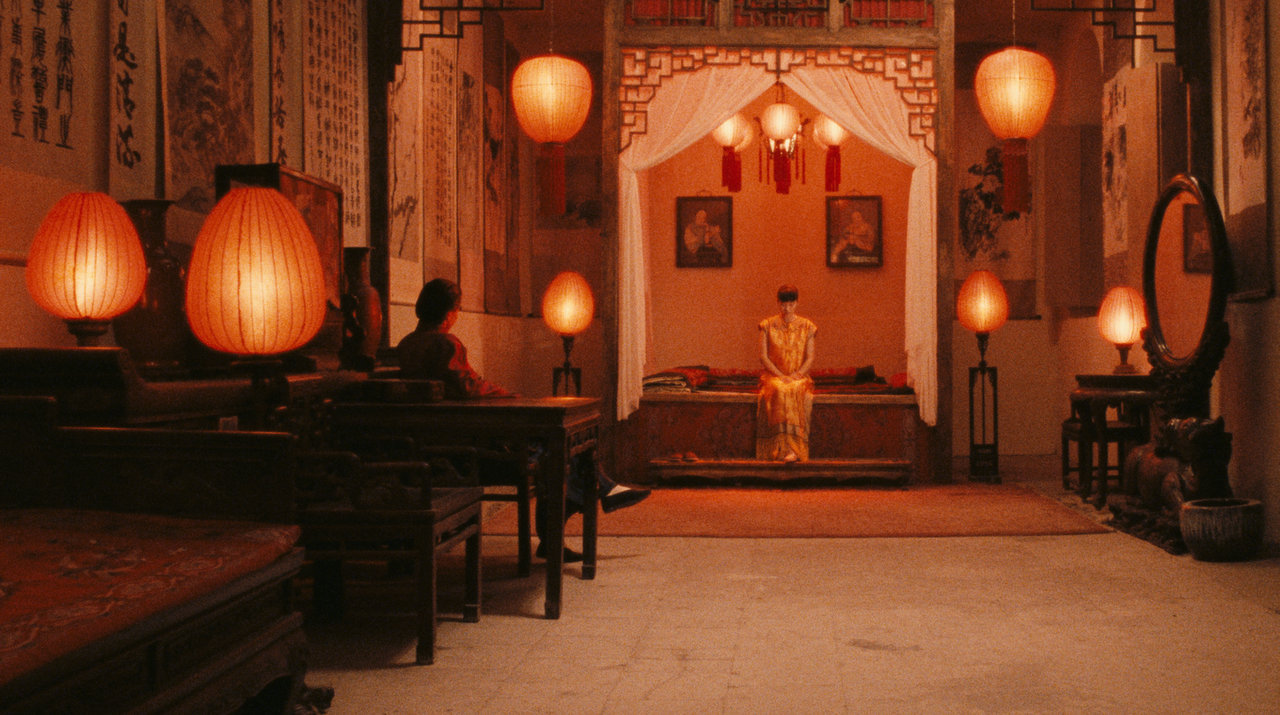
This implicit use of ritual and symbolic acts to embody hierarchy is essentially very artistic, because the struggle between the limitations of content and the medium of expression is the key condition for the emergence of true art. The hidden power structure creates, almost involuntarily, a kind of pressure vessel — and art finds its most distinct outlet precisely within that pressure. In this sense, the Chinese may be the people most naturally inclined toward art, for they have long been accustomed to expressing within constraints, to reaching through implication, analogy, and symbolism toward what cannot be spoken directly. This is entirely in keeping with the very condition from which true art emerges: meaning grows in the tension between the boundaries of form and the weight of what needs to be said. Zhang Yimou successfully seizes this intensity by weaving the power relations of traditional Chinese society into a highly ritualistic and symbolic form, transforming political constraint into aesthetic language. The purpose of art, after all, is to express those things that cannot be said.
***
An Era with No Critics? — On Alex Ross's The Rest Is Noise
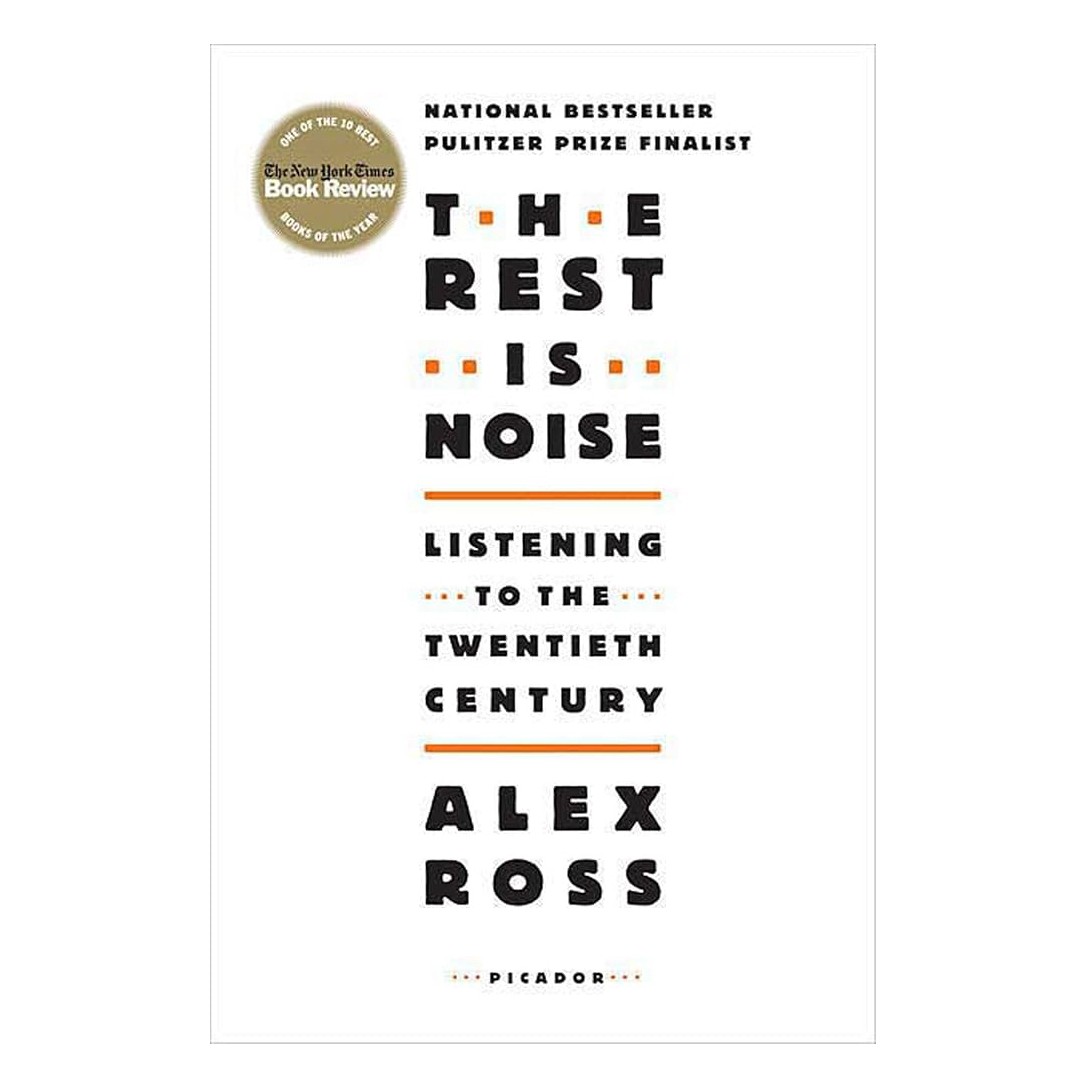
When people write about history, inevitably through the filter of review, they tend to condense the daily routines of countless nobodies into the buzzing noise surrounding a few big names. As a result, the art and music history of the twentieth century often appears like a turbulent and unpredictable theatre, where everyone’s fate seems written in clear characters. Figures from that century look like as if they are carrying lances and riding against windmills.
Reading this history feels more exciting than being immersed in the twenty-first century. What excites me are the confrontations—between ideas, opinions, and debates—while what feels dull today is the dominance of accommodation, monologue, and consumability.
Visual art has been closely tied to power since its origins, and this relationship has intensified in the twenty-first century. Algorithms have seized and shaped our attention and judgement. Each day, images and videos flood our screens, accompanied by likes, tags, and emojis that replace genuine commentary. Outside professional or media-related contexts, few people now spend time reading long-form texts, and fragmented time further weakens sustained thinking.
Social media makes it easy to generate waves of attention, which platforms then amplify in return. This creates the impression that algorithms have become the judges of artistic value. Unlike music, visual art is historically rooted in power structures, and within those structures, economic motivation plays a central role. It is therefore no surprise that algorithms favour content that is predictable, repeatable, and easily consumed.
This is why traditional criticism struggles within the ecology of social media. Introducing unfamiliar or destabilizing ideas runs against the platform logic. No matter how much we mourn the past, the era in which one artist or one style could reign supreme is over. Turmoil like the premiere of The Rite of Spring is unlikely to happen again, and declarations like Pierre Boulez’s—claiming all other paths as dead ends—would today be dismissed as absurd.
The silence of critics, or more broadly the disappearance of speculation, has been subordinated to moral self-censorship driven by the fear of economic loss, a tendency amplified by social media. This raises a question: beyond social media and mass-economic events such as art weeks or design weeks, is there still space for a critical function, even if it no longer takes its traditional form?
I believe there is. Taking Milan Design Week as an example, Alcova occupies such a position. Among many Instagrammable, commercially oriented exhibitions, Alcova’s curatorial focus on craftsmanship, prototypes, unfinished works, and social topics renders its images less immediately “understandable,” but more distinctive. Notably, its social media responses are far less heated than those for more familiar, easily legible objects. Yet this contrast reveals the vitality of Milan Design Week as an ecosystem—one that allows both commercial platforms and spaces where alternative values can persist.
So, returning to the question: an era with no critics? If criticism means one school decisively prevailing over another, then perhaps that era has ended. But this does not mean the end of criticism itself, only the end of its old theatrical form. Today, criticism survives in curatorial decisions, in sustained preferences, and in the refusal to become fully legible or easily consumed. Rather than speaking louder, it operates by slowing things down, insisting on friction within a system designed for smooth circulation. It no longer rules the stage, but quietly alters the conditions under which something can still matter.
***
Ciao, Frankie

I am not a fan of Frank Gehry—actually far from it. The Disney Concert Hall in LA and the LVMH Foundation in Paris are the only two places I’ve visited. I was a student when I first saw the Disney Concert Hall and was completely taken in by its exterior aura— until the moment I stepped inside. The same shock hit me again when I walked into the LVMH Foundation in Paris last year. His cramped, contradictory interiors are like the “three-inch golden lotus” of the old Chinese women—seemingly refined on the surface, yet hiding a suffocating constriction imposed by power.
Sadly, I’ve always believed architecture is a profession that should demand the deepest empathy for people. But the ruling class of this profession is made up of men who favor the higher, the bigger, the grandeur, the better— especially old men who are unable to erect the thing between their legs so instead they dream of erecting something else.
***
What Is “Non-Mainstream Art” in the Age of Algorithms? — On Fangyan/Yimin's Options of the times - Value investment in art
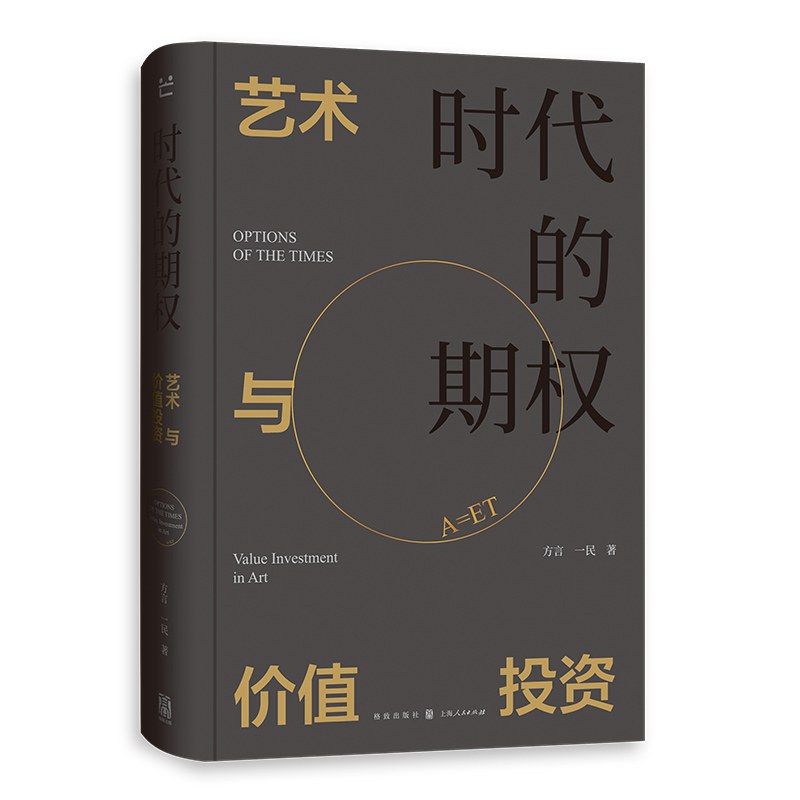
Late this year, following a blogger's recommendation, I picked up this book: Options of the Times: Value Investment in Art. The author encourages investors to discover non-mainstream (or anti-mainstream) artists. This logic might have held up a few decades ago, when communication channels were limited, the art world was relatively self-contained, and niche avant-garde voices could easily find resonance and form a genuine "non-mainstream." But today, before we can even begin searching for the "non-mainstream," shouldn't we first ask what actually counts as "mainstream" in our time? Is it a shark preserved in formaldehyde, a stainless-steel rabbit, or a banana taped to a wall?
In the past, the mainstream was defined by critics, art academies, and art associations. But now—who holds the power to define it? Is it the algorithm? If so, then today’s top artists, like Jeff Koons or Takashi Murakami, may soon find themselves sealed away by history, precisely because they are the ones who attracted the most traffic.
So what, then, are the criteria for identifying the next rising stocks? It certainly can’t be style anymore. The value of art does not lie in aesthetics, nor in aligning with the taste of a particular era—or any era. Nor does it lie in inventing new forms. These are merely additional values.
As Heisenberg wrote in Why I Chose Physics Instead of Music, “The path of modern music seems to have been determined by a purely negative assumption: that the old tonality must be abandoned, not because there are new and more powerful ideas which it cannot express, but because we believe its strength has been exhausted.” Modern art has followed much the same path — driven by a defiant urge to destroy: to break rules, to overturn tradition. But this logic now seems to have reached its end. When everything has already been broken, when the shark, the rabbit, and the banana have all had their moment on stage, what is there left that cannot be brought to the table? In the age of algorithms, searching for "non-mainstream" art is like looking for someone who is truly alone at a party where everyone is pretending not to fit in. And if you do find it — whatever you do, don't post it.
***
了生脱死
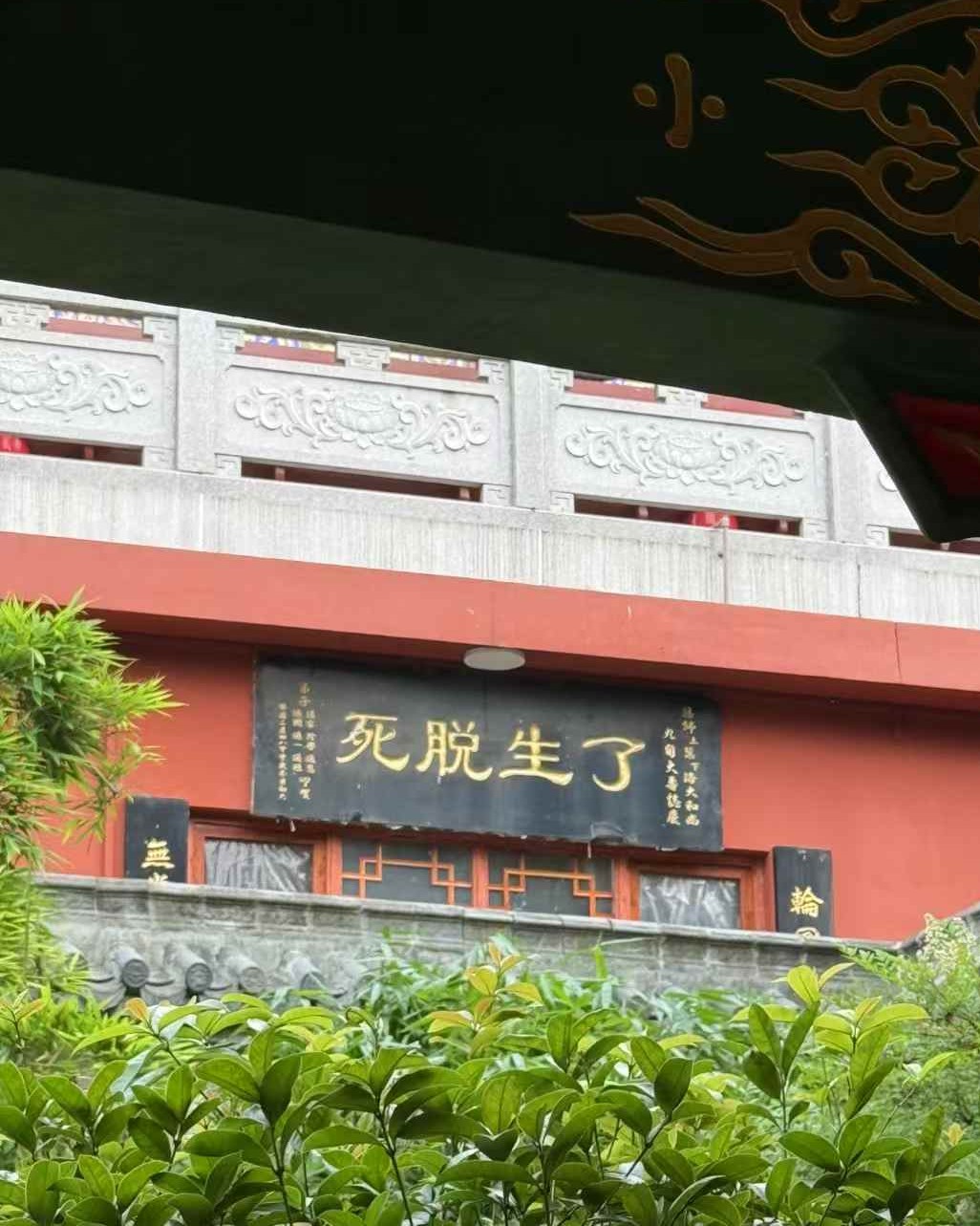
寺庙最是热闹无比的大型交易现场,香客各个摩拳擦掌,人口攒动,香火也鳞次栉比,按价钱排起坐来,三柱香是标配,最少四殿十二香,你拾阶而上,拜完了弥勒拜观应,再四顾一下旁殿的四大金刚,还不忘扫一眼功德箱上的二维码,最后来到大雄宝殿,跨过门槛见到了须弥座上的如来佛,这时一旁的工作人员正忙着给人发红签,两块钱一签。出门左转,在移步换景中你忽然发现了一块牌匾,上面赫然写着“了生脱死”,这时你体会到佛堂的另一个世界。
鲁智深在征方腊前去了一趟五台山,智真长老给了他四句偈语:“逢夏而擒,遇腊而执,听潮而圆,见信而寂。”鲁智深当时不解其意,后来却一一应验:擒于夏,执于腊,最终在钱塘江畔,听潮声拍岸,沐浴更衣,端坐而化。鲁智深并非勤于修行,也谈不上功德圆满,更像是在尘世的喧闹中,忽然看清了自己的归处。
寺庙正是这样的所在。它不刻意排除欲望,反而容纳香火、功德与人心的算计;在最人间的交易往来里,反倒保留着通向超脱的缝隙。像鲁智深这样“不修善果”的莽汉,也无需理性推演,便能在喧嚣之间,偶然撞见“了生脱死”的一刻。
***